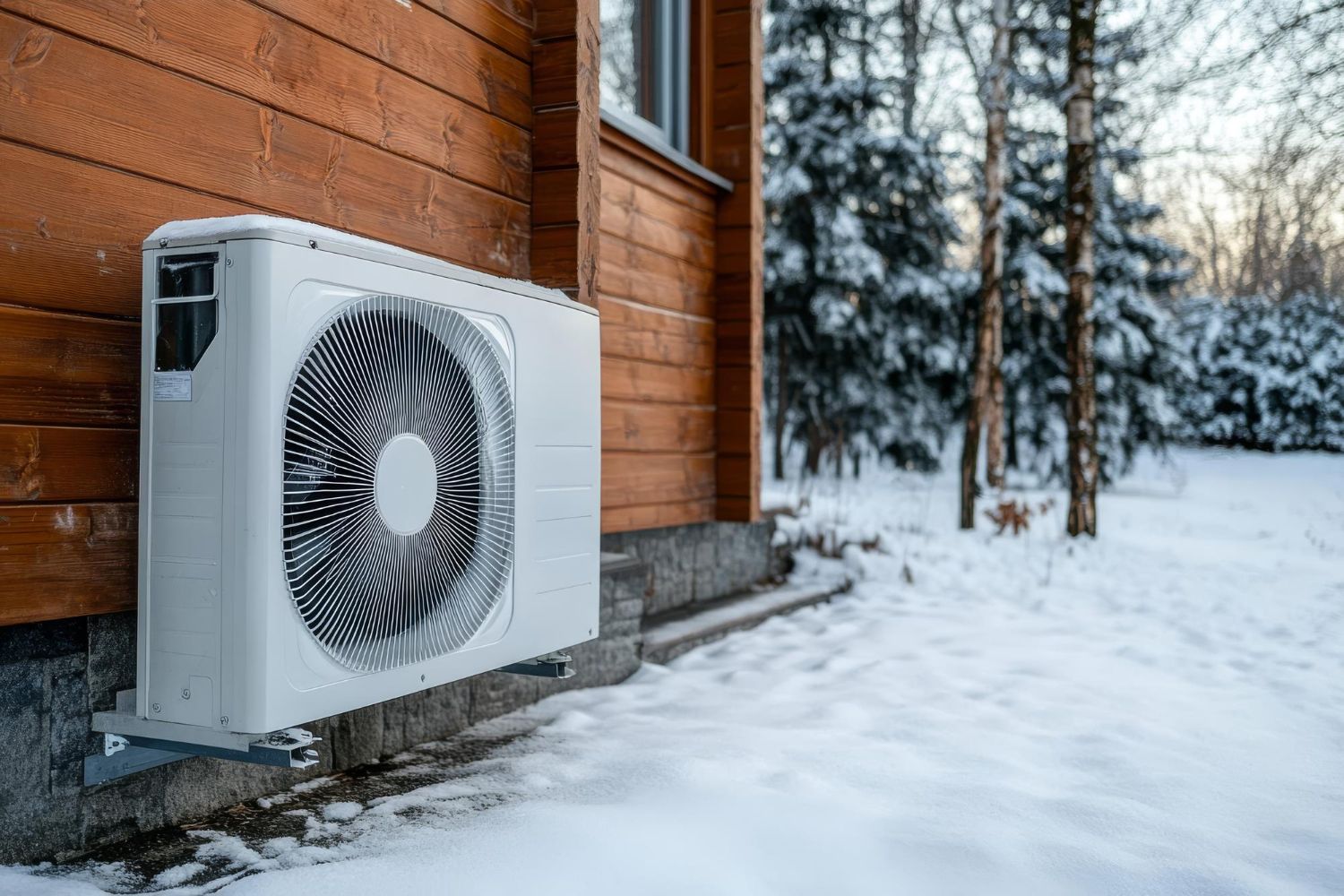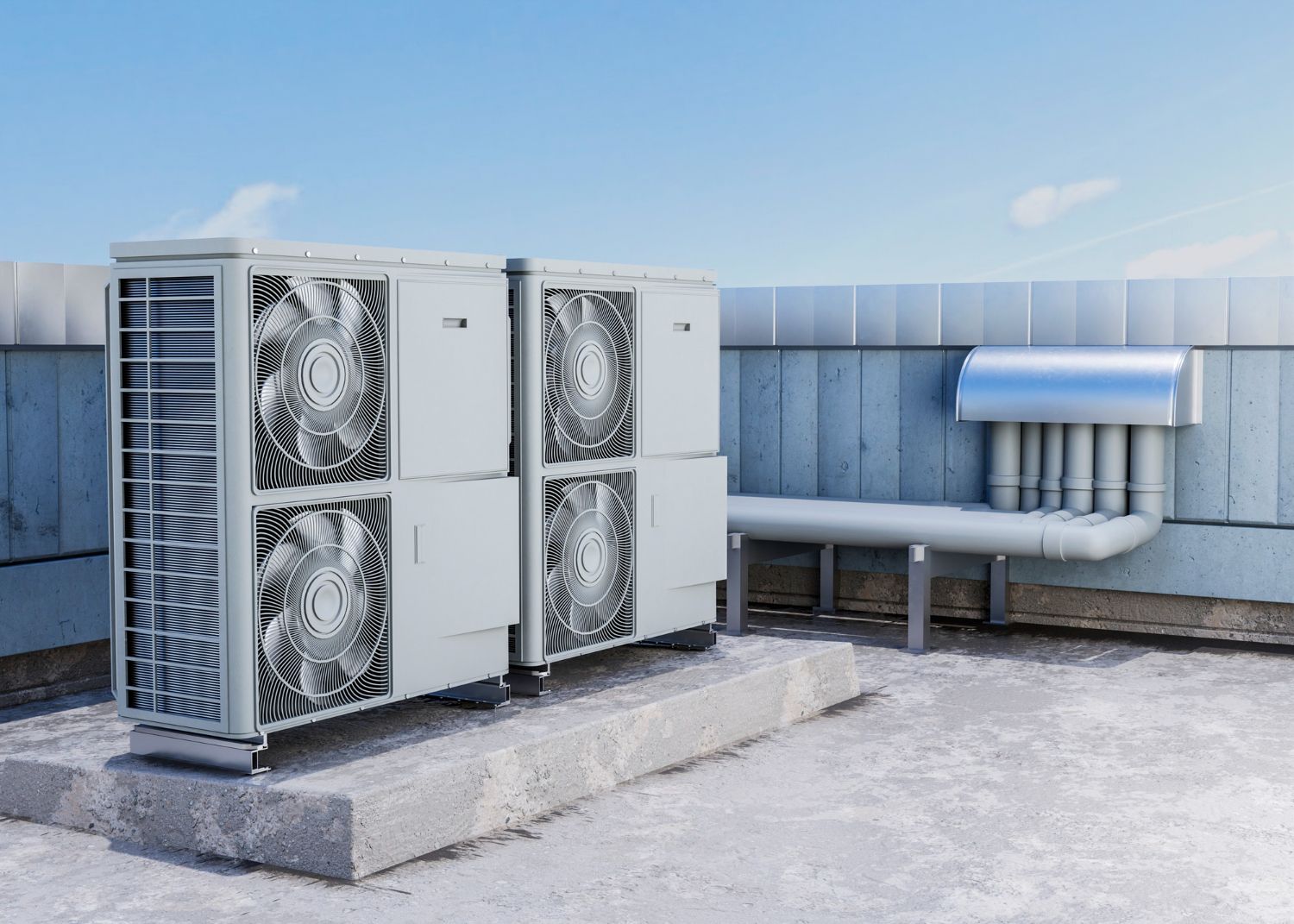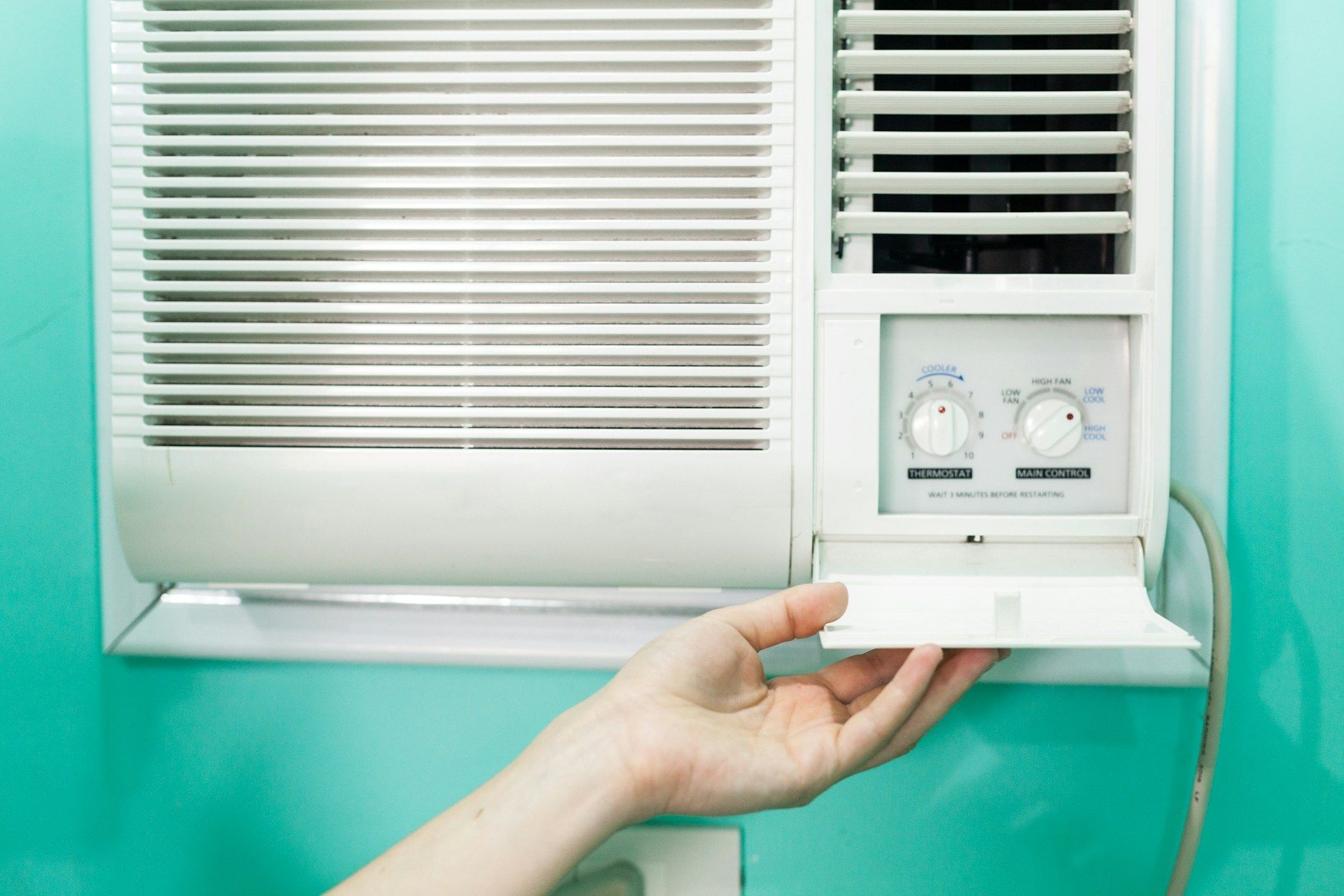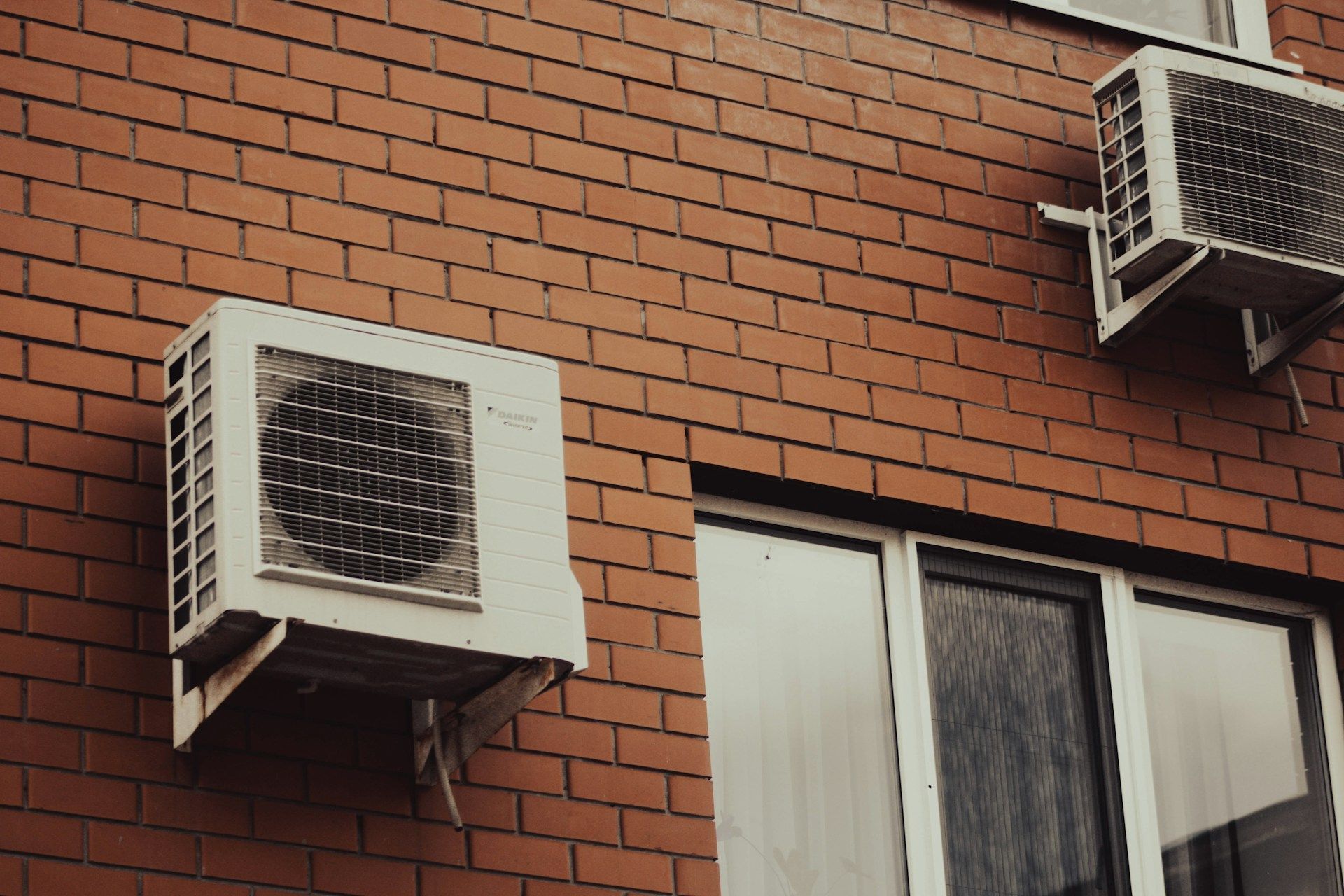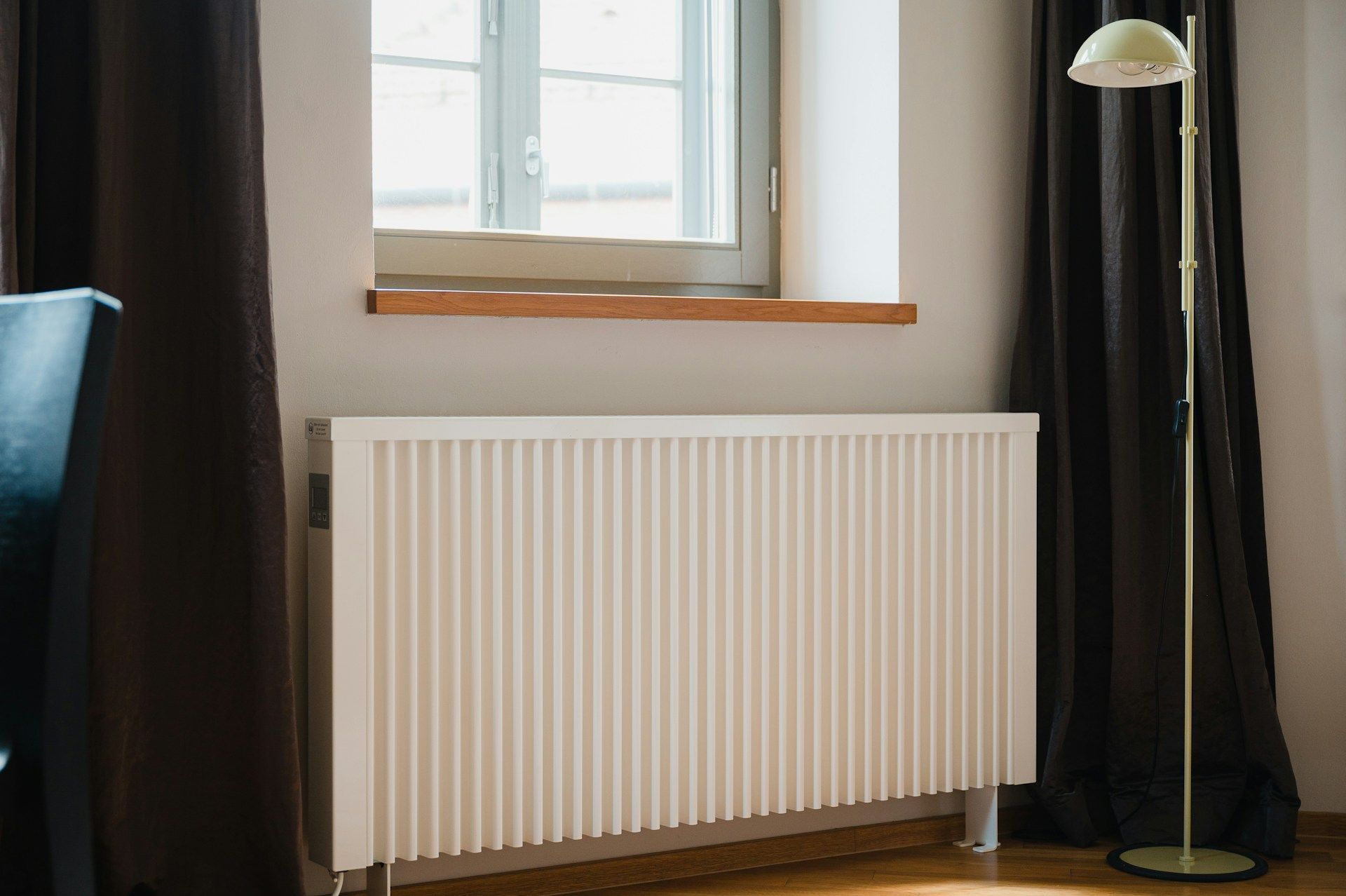
Every heating and cooling system has a life span. That might sound simple, but it often raises questions for homeowners. How long should a furnace last? When does it make sense to repair instead of replace? And what really affects how long a system keeps working?
These are the kinds of things we help answer every day. As heating and air conditioning experts, we’ve seen what helps these systems last and what wears them down too soon. With colder weather arriving in many areas by December, it’s a smart time to think about how your system is holding up. If it’s been more than a few years since your last upgrade or a few winters since your last service, now is a good time to check in.
How Long Heating and Cooling Systems Typically Last
Most homeowners want their system to run for years without trouble. And with regular care, that’s doable. Heating systems like furnaces can often last 15 to 20 years, and central air conditioners may work well for up to 15 years. But age alone isn’t always the clearest sign to go by.
• A system that keeps turning off and on too quickly might be showing wear, even if it’s not very old.
• Uneven heating or cooling, higher energy bills, or strange noises could mean certain parts are wearing out.
• If your system is close to or beyond the 10-year mark, it’s more likely you’ll start seeing signs of decline.
Not all systems age the same way. Some homes put more demand on their units than others. Things like long run times, tight ductwork, blocked airflow, or skipped maintenance can all cause earlier breakdowns.
Our Buckley Heat Air team works with all major HVAC brands and offers scheduled maintenance or repair to help systems meet or exceed their expected lifespans.
What Shortens System Lifespan Over Time
There are a few reasons a system might not last as long as expected. Many of them start out small, easy to miss if you’re not looking out for them.
• If filters are dirty for too long, your system has to work harder just to move air. That added strain wears down motors and blowers.
• Poor airflow from closed vents or blocked returns makes your system run longer for the same result, adding to wear and tear.
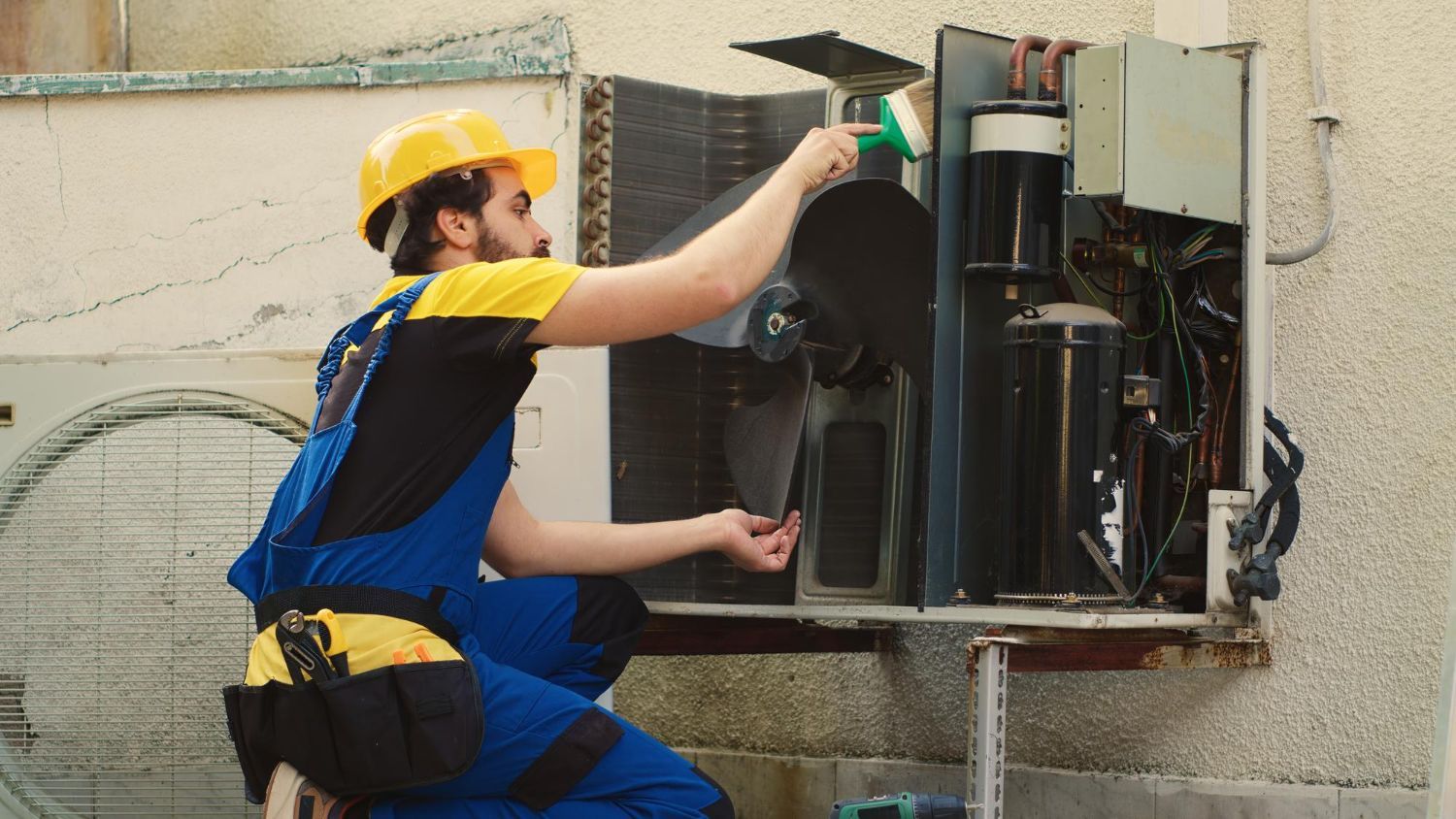
• Dirt, moisture, and lack of cleaning can cause damage deep inside the unit where you can’t see it. Clogged drain lines or dirt on components like coils can shorten the life of your heating and cooling system.
• Electrical issues or loose connections can lead to short cycling, random shutoffs, or worst case, full system failure.
These things don’t always stop your system overnight, but they build up over time. That slow decline can lead to the kind of failures that are hard to predict during high-use months like winter.
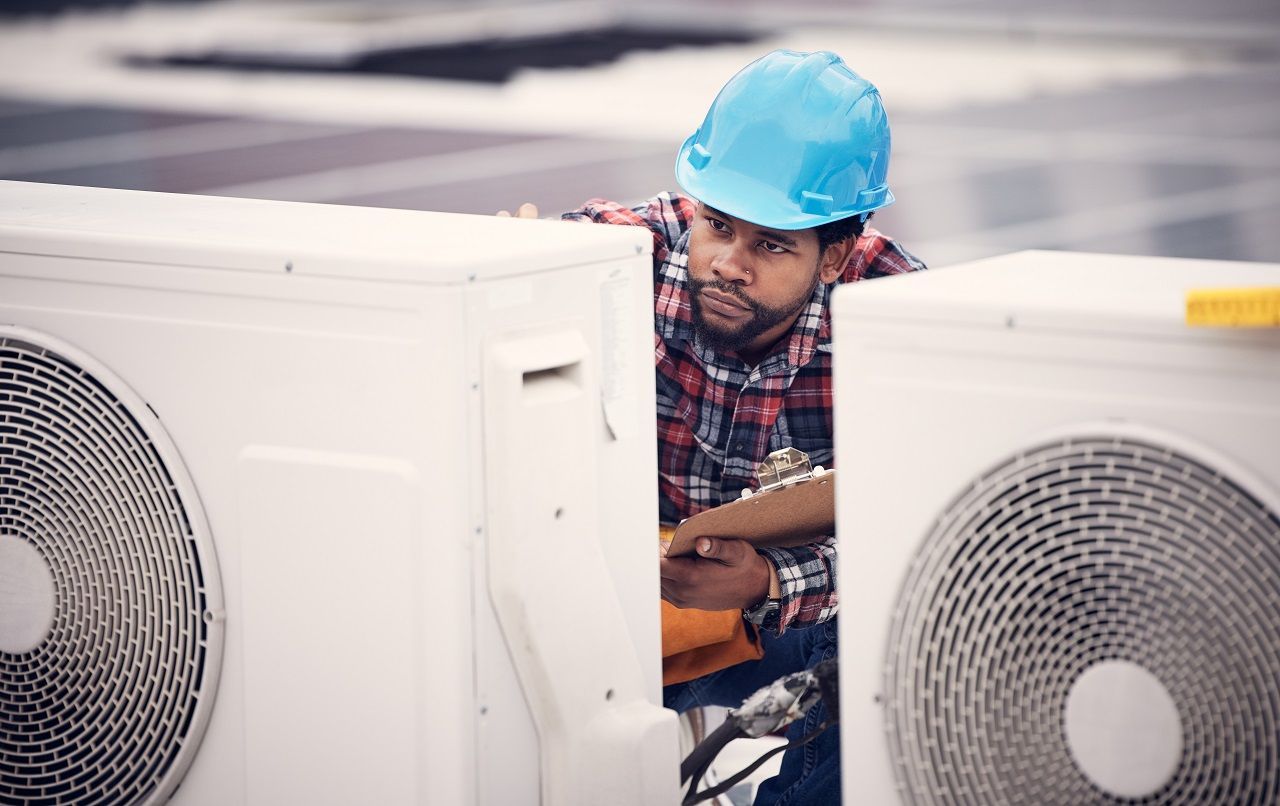
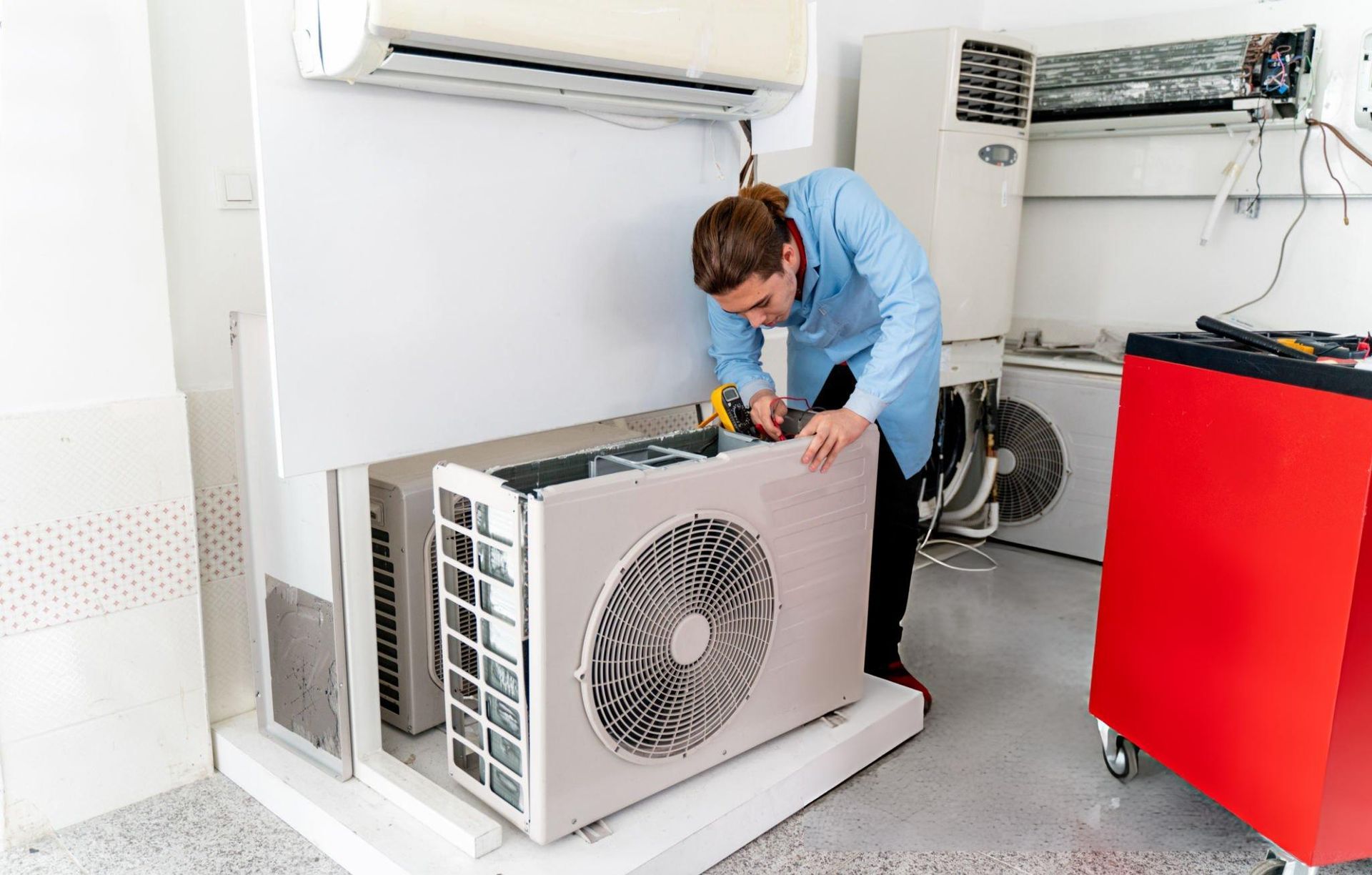
As a locally-owned and insured company, we complete diagnostic inspections, electrical checks, and safety tests, catching common causes of early breakdowns before they turn into major repairs.
What Keeps a System Running Longer
While no system lasts forever, a few habits make it easier to get the most from your heating and air.
• Getting seasonal maintenance is one of the most helpful ways to keep a system going strong. We can spot signs of wear, catch loose wires, and clean hard-to-reach parts before they create bigger problems.
• Simple upkeep like changing out filters and keeping vents clear helps air move freely. That keeps strain off the fan and blower motor.
• Small repairs done early usually save much more wear on the system than waiting until there’s a breakdown. Something like a rattle or a faint smell might be minor now, but a bigger issue later.
In colder months when systems run longer and harder, these small steps make a noticeable difference in performance, and in the system’s future.
On service visits, we always use approved processes and brand-quality replacement parts designed for your system.
When Heating and Air Conditioning Experts Recommend a Closer Look
There’s no one age when a system must be replaced, but some situations call for a second opinion. During December and January, we often come across systems that seem fine until the first cold snap pushes them too far. That’s when common wear shows up fast.
• If the system struggles to start, frequently shuts off, or can’t maintain the right temperature, it’s worth having someone check it.
• Odd smells, new sounds, or repeated error codes are also signs your system isn’t running like it used to.
• In older systems, heating and air conditioning experts look for signs like faulty burners, worn-out fan motors, or weak thermostat signals to decide whether repairs will help or if it’s time to start thinking about what’s next.
Sudden cold spells can speed things up, especially if problems have been building quietly over time.
From Quick Fixes to Long-Term Comfort
Whether your heating and cooling system is in its first few years or pushing past a decade, knowing what shapes its lifespan can save a lot of future stress. Systems that run clean and get regular attention tend to last longer and break down less often.
With help from heating and air conditioning experts, you can understand what parts of your system still have life in them and what may need support, before the coldest weeks of the year settle in. Planning ahead today helps you stay warm and comfortable through the season and beyond.
When your system isn’t performing as it should, a professional assessment can make all the difference. We’ve helped countless homeowners understand what their equipment needs to stay safe and reliable during the season. As systems start to show signs of wear, having the right support matters. You can always rely on our
heating and air conditioning experts to guide you through the next steps. Contact Buckley Heat Air to schedule a visit and enjoy a comfortable home all winter long.